
School Smart Board Cost: Smart Boards for Schools - Costs and Payoff
- Joane Chong
- Feb 22
- 4 min read

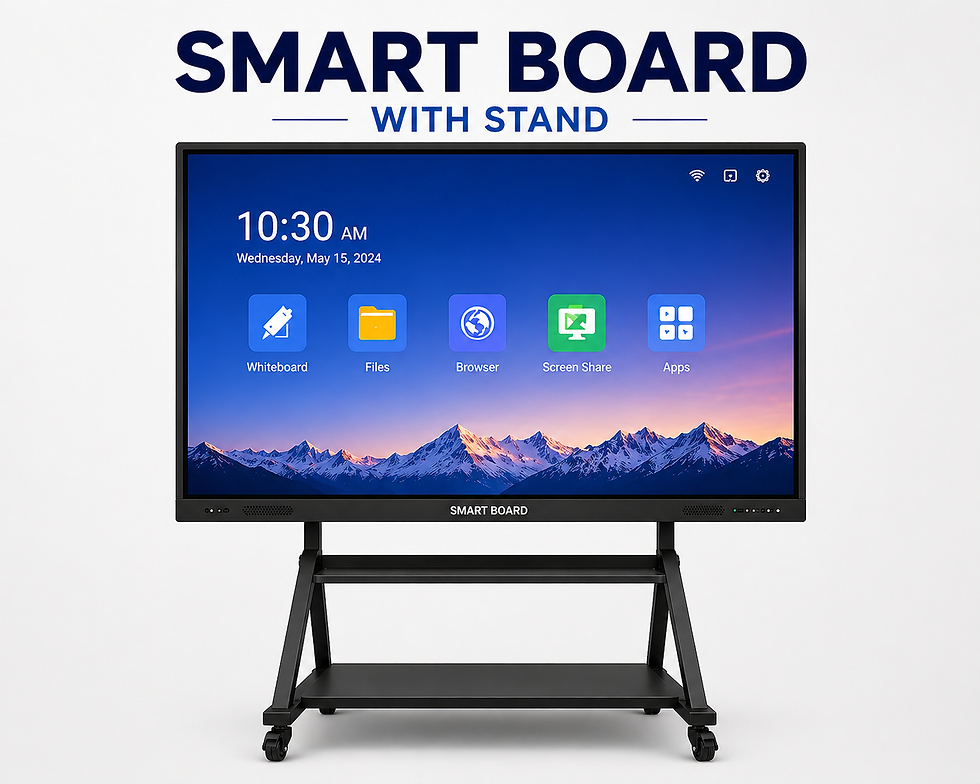
Smart boards have become an essential part of modern classrooms, transforming the way teachers deliver lessons and students engage with learning materials. These interactive displays combine the functionality of a whiteboard with digital technology, allowing for dynamic presentations, multimedia integration, and collaborative activities. However, investing in smart boards requires careful consideration of costs and the potential benefits they bring to educational institutions.
Understanding School Smart Board Cost
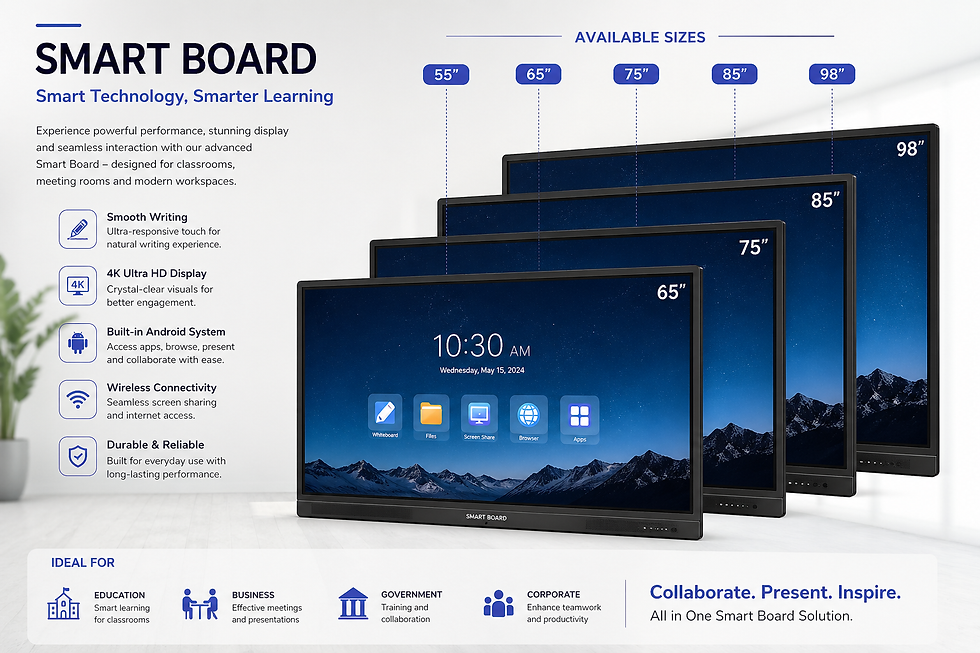
When schools consider upgrading their classrooms with smart boards, understanding the school smart board cost is crucial. The price of smart boards can vary widely depending on the brand, size, features, and installation requirements. Basic models may offer touchscreen capabilities and simple connectivity, while advanced versions include multi-touch support, high-resolution displays, and compatibility with various educational software.
In addition to the initial purchase price, schools should factor in installation fees, maintenance costs, and potential training for teachers to maximize the technology’s effectiveness. Choosing the right smart board involves balancing budget constraints with the desired functionality to ensure a worthwhile investment.

Benefits of Smart Boards in Educational Settings
Smart boards offer numerous advantages that can justify their cost. They enhance student engagement by making lessons more interactive and visually appealing. Teachers can incorporate videos, animations, and real-time quizzes, catering to different learning styles and improving knowledge retention.
Moreover, smart boards facilitate collaboration among students. Multiple users can interact with the board simultaneously, encouraging group work and active participation. The ability to save and share lesson notes digitally also streamlines lesson planning and review.
From an administrative perspective, smart boards can reduce the need for printed materials, contributing to cost savings and environmental sustainability. Over time, these benefits can lead to improved academic outcomes and a more dynamic learning environment.
How much does a school Smartboard cost?
The cost of a school smart board depends on several factors, including size, technology, and brand reputation. On average, prices range from RM5,000 to RM12,000 per unit. Smaller boards with basic features tend to be on the lower end, while larger, high-definition models with advanced interactive capabilities command higher prices.
Installation costs can add several hundred dollars, especially if electrical or network upgrades are necessary. Additionally, schools may need to invest in software licenses or subscriptions to access premium educational content and tools.
For budgeting purposes, it is advisable to request quotes from multiple suppliers and consider long-term service agreements. This approach helps ensure that the total cost of ownership aligns with the school’s financial planning and educational goals.
Factors Influencing the Payoff of Smart Boards
The payoff from investing in smart boards extends beyond immediate classroom improvements. Several factors influence the return on investment:
Teacher Training: Proper training ensures educators can fully utilize the smart board’s features, enhancing lesson delivery and student interaction.
Curriculum Integration: Smart boards are most effective when integrated into the curriculum, supporting diverse teaching methods and learning objectives.
Technical Support: Reliable maintenance and technical support minimize downtime and extend the lifespan of the equipment.
Student Engagement: Increased engagement often leads to better academic performance, which can justify the initial expenditure.
Energy Efficiency: Modern smart boards consume less power than traditional projectors and lighting setups, contributing to operational savings.
By focusing on these areas, schools can maximize the educational and financial benefits of their smart board investments.

Practical Tips for Choosing the Right Smart Board
Selecting the ideal smart board for a school involves several practical considerations:
Assess Classroom Needs: Determine the size of the classroom and the number of students to choose an appropriately sized board.
Evaluate Features: Prioritize features such as multi-touch capability, compatibility with existing devices, and software support.
Consider Durability: Opt for models designed for heavy use in educational environments.
Check Connectivity Options: Ensure the smart board supports Wi-Fi, USB, HDMI, and other necessary connections.
Plan for Training: Include teacher training in the purchase plan to maximize usage.
Review Warranty and Support: Choose suppliers offering comprehensive warranties and responsive customer service.
By following these tips, schools can make informed decisions that align with their educational objectives and budget constraints.
The Future of Smart Boards in Schools
As technology evolves, smart boards are becoming more sophisticated and affordable. Integration with cloud services, artificial intelligence, and virtual reality is expanding the possibilities for interactive learning. Schools that invest in smart boards today position themselves to benefit from these advancements, creating future-ready classrooms.
Moreover, the shift towards hybrid and remote learning models highlights the importance of digital tools like smart boards. They enable seamless interaction between in-person and remote students, ensuring continuity and inclusivity in education.
For institutions looking to enhance their learning environments, understanding the balance between smart board for schools price and the long-term payoff is essential. Partnering with trusted providers who offer tailored solutions and ongoing support can make this transition smooth and successful.
Smart boards represent a significant step forward in educational technology. By carefully evaluating costs, benefits, and practical considerations, schools can make smart investments that enrich teaching and learning experiences for years to come.

Comments