
Transform Your Living with Smart Home Automation Benefits
- Joane Chong
- Jan 12
- 4 min read

Smart home automation is revolutionizing the way we live, work, and interact with our environments. By integrating technology into everyday spaces, it offers unprecedented convenience, security, and energy efficiency. This transformation is especially relevant for educational institutions, businesses, and homeowners seeking to optimize their spaces in Malaysia. With the rise of innovative solutions, smart home automation benefits extend far beyond simple gadget control, creating smarter, safer, and more sustainable living and working environments.
Understanding the Home Automation Benefits
Smart home automation benefits are multifaceted, impacting various aspects of daily life. At its core, automation connects devices and systems, allowing centralized control through smartphones, tablets, or voice commands. This connectivity leads to several key advantages:
Enhanced Convenience: Automate lighting, climate control, and appliances to suit your schedule without manual intervention.
Improved Security: Integrate smart locks, surveillance cameras, and alarm systems for real-time monitoring and alerts.
Energy Efficiency: Optimize energy consumption by scheduling devices and monitoring usage patterns.
Cost Savings: Reduce utility bills through efficient energy management and prevent costly damages with early alerts.
Accessibility: Assist individuals with mobility challenges by automating routine tasks.
For example, a business can program its lighting and HVAC systems to operate only during working hours, significantly cutting down on energy waste. Similarly, a homeowner can receive instant notifications if a security camera detects unusual activity, enabling prompt action.

Key Components of Smart Home Automation Systems
To fully appreciate the benefits, it is important to understand the essential components that make up a smart home automation system:
Central Hub or Controller
This is the brain of the system, managing communication between devices. It can be a dedicated device or an app on your smartphone.
Smart Devices and Sensors
These include smart bulbs, thermostats, locks, cameras, motion detectors, and environmental sensors (e.g., smoke, humidity).
Connectivity Protocols
Devices communicate using Wi-Fi, Zigbee, Z-Wave, or Bluetooth, ensuring seamless integration.
User Interface
Control is typically through mobile apps, voice assistants (like Alexa or Google Assistant), or wall-mounted panels.
Cloud Services and Automation Rules
Cloud platforms enable remote access and advanced automation, such as scheduling and conditional triggers.
For instance, a smart thermostat can adjust the temperature based on occupancy detected by motion sensors, while smart blinds can open or close depending on the time of day or sunlight intensity.
Practical Applications in Educational Institutions, Businesses, and Homes
Smart home automation benefits are not limited to residential use. Educational institutions and businesses can leverage these technologies to create more efficient and secure environments.
Educational Institutions
Energy Management: Automate lighting and air conditioning in classrooms based on occupancy to reduce energy costs.
Security: Use smart surveillance and access control to monitor campus safety.
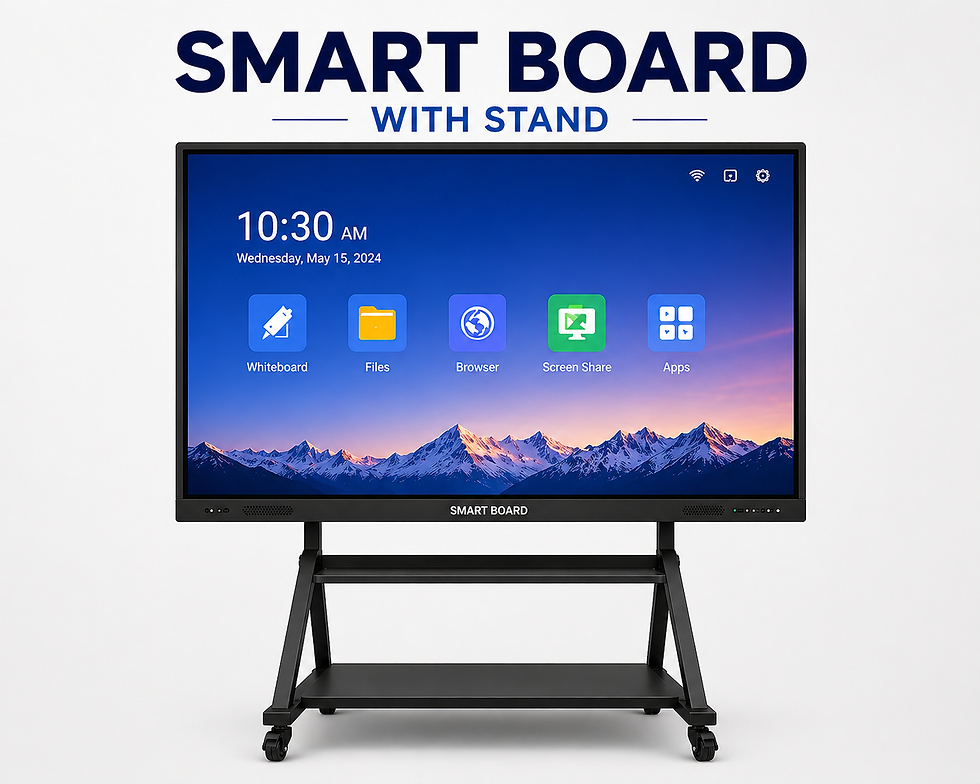
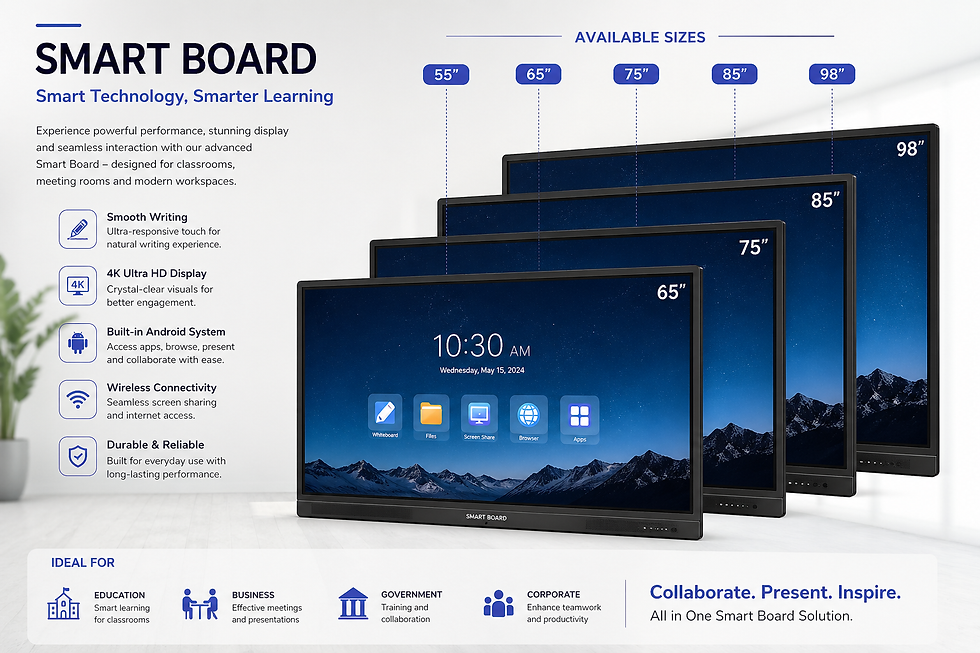
Interactive Learning: Integrate smart boards and connected devices to enhance teaching methods.
Businesses
Operational Efficiency: Automate routine tasks such as lighting, HVAC, and equipment control to streamline operations.
Security and Access Control: Implement smart locks and cameras to protect assets and monitor employee access.
Data-Driven Decisions: Use sensors to collect data on space usage and optimize layouts or schedules.
Homes
Comfort and Convenience: Automate lighting, climate, and entertainment systems for personalized living experiences.
Safety: Install smart smoke detectors, water leak sensors, and security cameras for proactive protection.
Energy Savings: Monitor and control energy consumption to reduce utility bills.

How to Choose the Right Smart Home Automation System
Selecting the right system depends on specific needs, budget, and compatibility with existing infrastructure. Here are some actionable recommendations:
Assess Your Needs: Identify which areas require automation – security, energy management, convenience, or all.
Check Compatibility: Ensure devices and hubs support common protocols and can integrate smoothly.
Prioritize Scalability: Choose systems that allow easy expansion as needs evolve.
Consider User-Friendliness: Opt for intuitive interfaces and reliable customer support.
Evaluate Security Features: Protect your data and devices with robust encryption and regular updates.
For example, a small business might start with smart lighting and security cameras, then gradually add climate control and access management as the system proves its value.
Embracing Smart Living with Trusted Providers
To fully benefit from smart home automation, partnering with experienced providers is crucial. Companies like J.Smart System specialize in delivering advanced smart board and home automation solutions tailored to the Malaysian market. Their expertise ensures that installations are seamless, secure, and customized to meet the unique demands of educational institutions, businesses, and homeowners.
For those interested in exploring options, home automation malaysia offers a comprehensive range of products and services designed to transform living and working spaces into intelligent environments.
Future Trends in Smart Home Automation
The future of smart home automation promises even greater integration and intelligence. Emerging trends include:
Artificial Intelligence (AI): Systems that learn user habits and optimize settings automatically.
Voice and Gesture Control: More natural and accessible ways to interact with devices.
Interoperability: Enhanced compatibility across brands and platforms.
Sustainability Focus: Innovations aimed at reducing environmental impact.
Enhanced Security: Advanced biometric authentication and threat detection.
Staying informed about these trends can help institutions and homeowners make strategic decisions that keep their environments modern and efficient.
Taking the First Step Towards a Smarter Environment
Implementing smart home automation is a journey that begins with understanding your goals and exploring available technologies. Start small by automating a few key areas, then expand as you experience the benefits firsthand. Whether it is improving energy efficiency, enhancing security, or increasing convenience, smart automation offers practical solutions that adapt to your lifestyle and operational needs.
By embracing these technologies, you can create spaces that are not only more comfortable and secure but also aligned with the future of intelligent living and working.
Transform your environment today and experience the full spectrum of smart home automation benefits.

Comments